Taking over a stalled redesign of one of the largest military-focused platforms in the U.S., and delivering UX, UI, and production front-end from scratch in four weeks.
Context
Military.com is one of the largest military-focused digital platforms in the U.S., serving active duty, veterans, and military families. As part of the Valnet portfolio, the site was undergoing a redesign when I was brought in to take over from another designer. The original direction wasn't meeting the quality bar, and with a tight deadline, I was asked to restart from scratch and handle both the redesign and the front-end integration.
Challenge
- Inherited an in-progress redesign that wasn't meeting quality standards: restart from scratch, under time pressure.
- A very particular audience (active duty, veterans, families) with specific needs around trust, clarity, and information density.
- A content-heavy site with diverse sections (news, benefits, careers, discounts) that each need distinct but cohesive treatment.
- Deliver both design and front-end integration, not just mockups.
Approach
- Audit – Reviewed the existing redesign to understand what wasn't working and why, separating core UX problems from purely visual issues.
- Design direction – Established a new visual direction balancing the authority and trust this audience expects with modern readability and navigation.
- Component-first approach – Designed modular, reusable sections on top of Valnet's design system, adapted to Military.com's specific needs.
- AI-assisted integration – Designed in Figma, then used Cursor with AI agents to generate production-ready front-end code, compressing the integration phase significantly.
Visuals
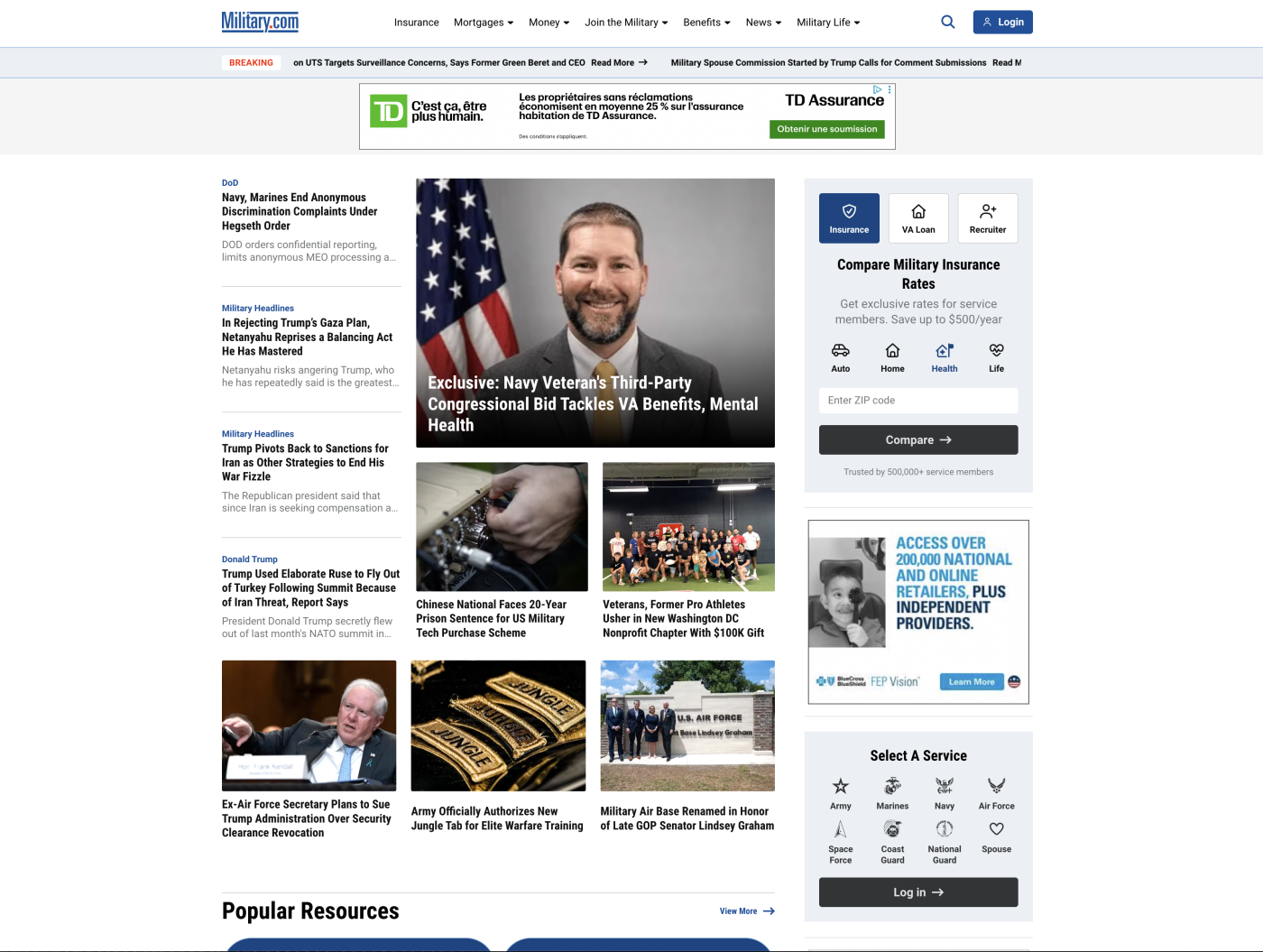
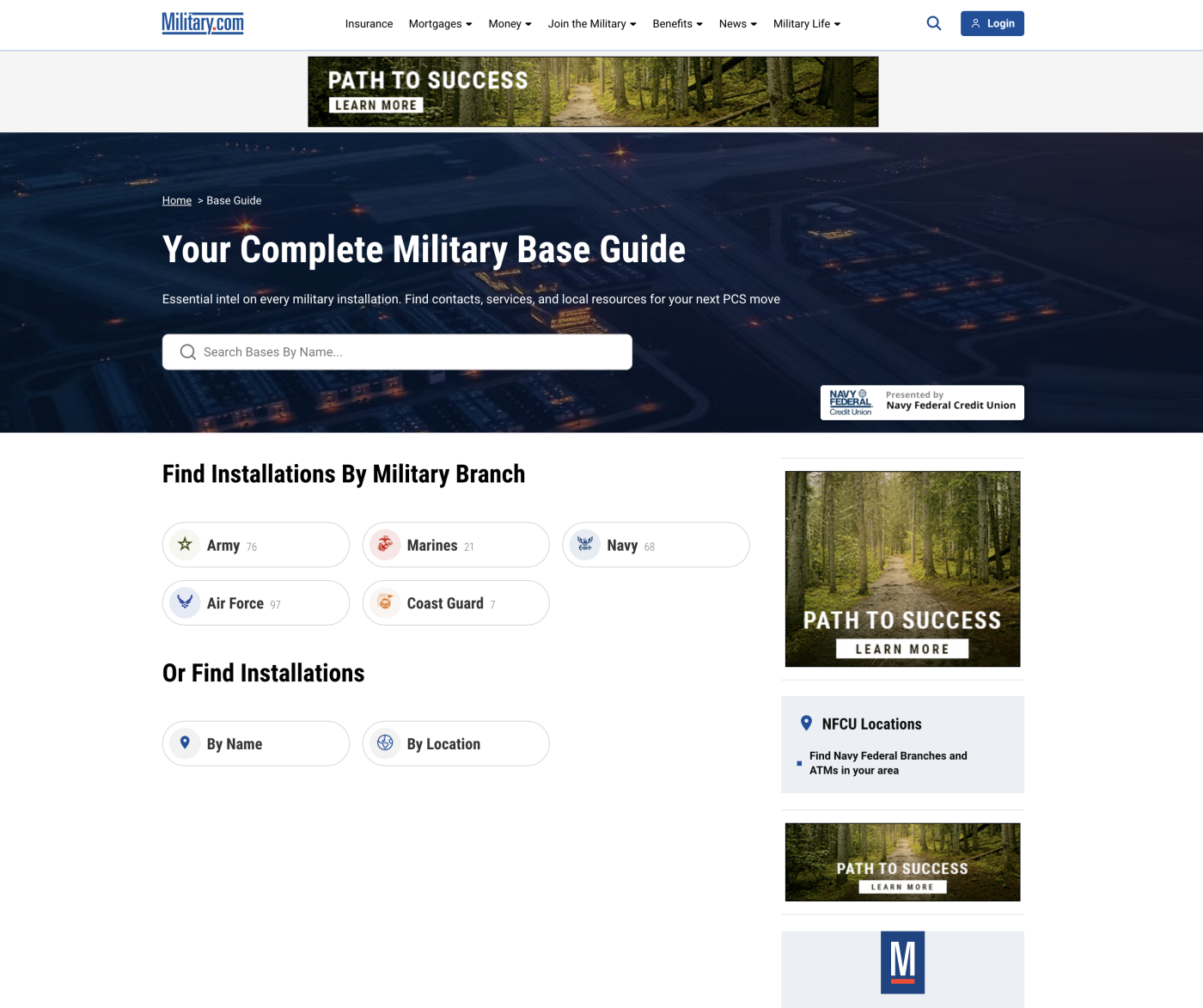
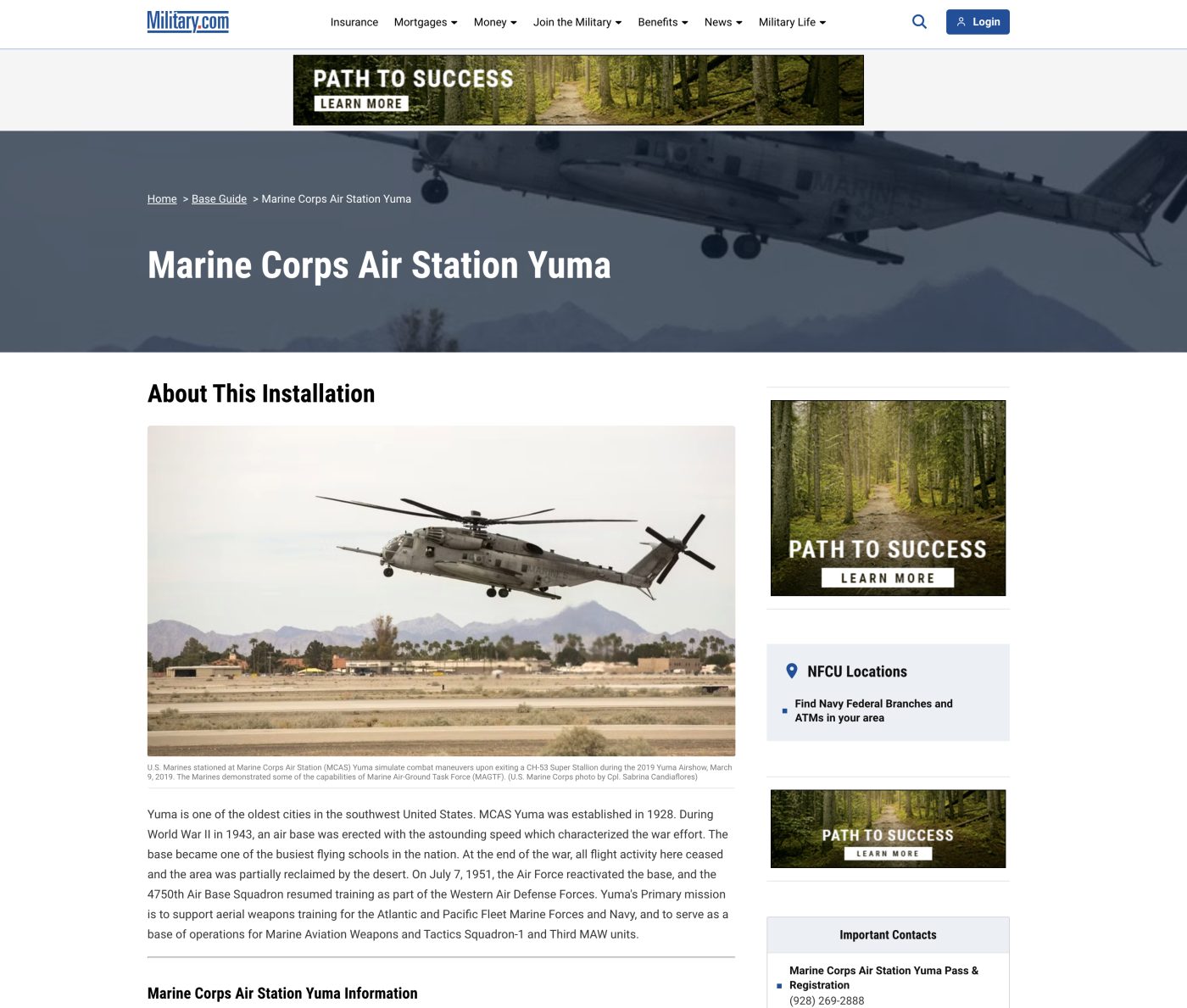
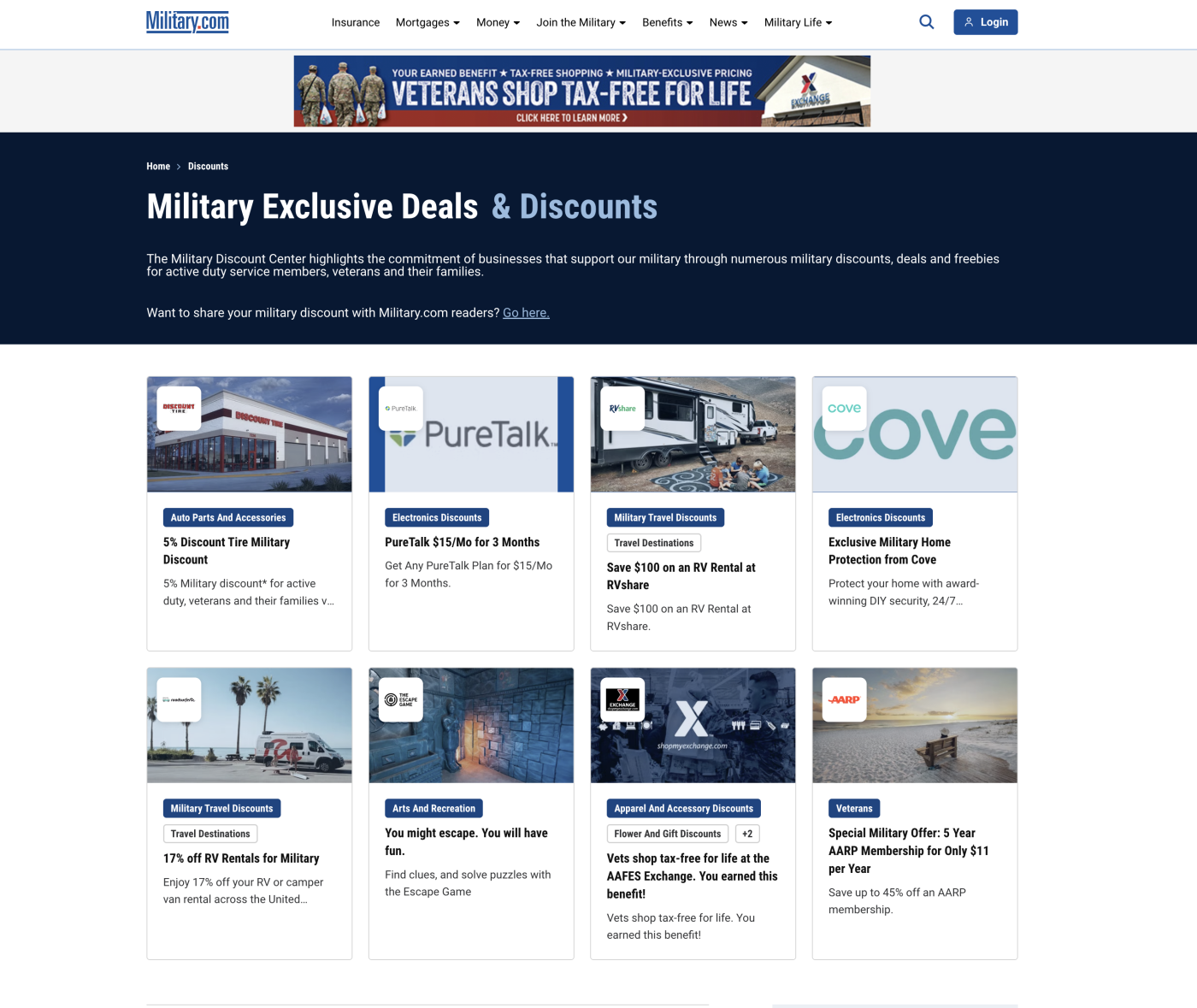
Outcome
complete redesign and integration, from scratch
one designer, from UX strategy to production code
AI-assisted integration with Cursor
- Delivered a complete redesign and integration from scratch within four weeks.
- Demonstrated that a structured design system plus AI-assisted integration can compress timelines dramatically.
What made this different
This project tested my ability to work fast under pressure, make strong design decisions with limited ramp-up time, and deliver end-to-end, from UX strategy through to production code. The audience required extra care: military users expect clarity, reliability, and a tone that respects their service. Every design choice had to balance those expectations with modern UX patterns.